

Microscope trinocular compound phase contrast opens a new dimension in microscopic analysis, offering unparalleled clarity and functionality. These advanced instruments are designed for researchers and educators alike, enhancing the visualization of transparent specimens without the need for staining. The unique trinocular design allows for simultaneous viewing and image capture, making it essential in various scientific fields.
With features that set them apart from standard microscopes, trinocular compound phase contrast microscopes utilize specialized optics to enhance contrast, showcasing details that are often invisible to the naked eye. They are particularly advantageous in biological research, medical diagnostics, and materials science, enabling users to explore the intricate world of microstructures with ease and precision.
Examine the unique features of trinocular compound phase contrast microscopes
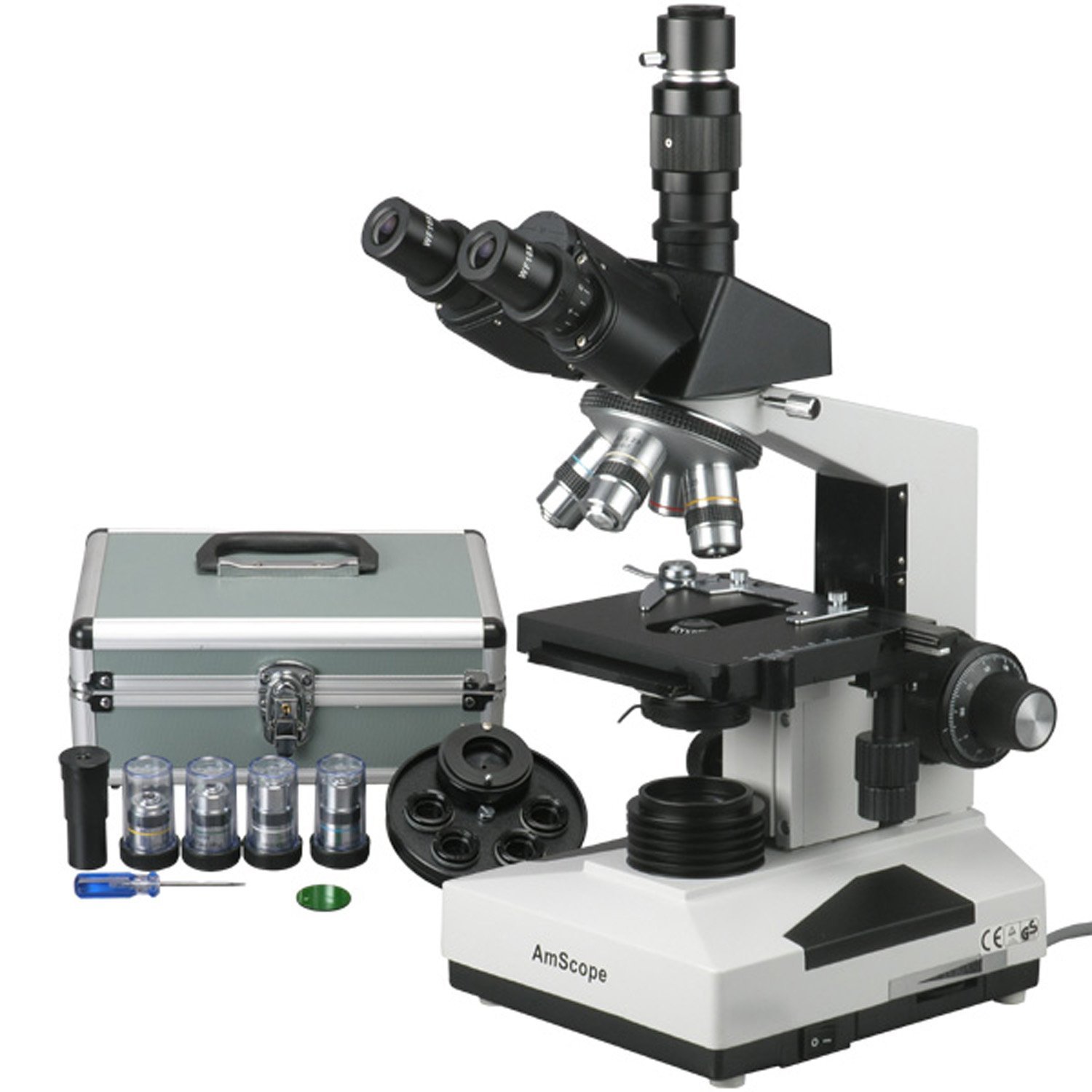
Trinocular compound phase contrast microscopes are integral instruments in modern microscopy, offering a sophisticated blend of advanced optical technology and enhanced functionality. These microscopes are specifically designed to provide superior imaging capabilities, especially in the realm of biological and material sciences. Their unique trinocular design allows for simultaneous visual observation and photodocumentation, making them ideal for research and educational purposes.The distinguishing characteristic of trinocular microscopes is their three-tube system, which includes two eyepieces for viewing and an additional vertical port for connecting a camera or other imaging devices.
This design enables researchers to capture high-quality images while maintaining the ability to observe specimens in real-time. In contrast, binocular microscopes typically offer only two viewing options, thus limiting their versatility in documentation and sharing of findings. Furthermore, trinocular microscopes come equipped with phase contrast capabilities, enhancing the visualization of transparent specimens that would otherwise be difficult to observe under standard brightfield illumination.
Components and functionalities of phase contrast microscopy
Phase contrast microscopy is characterized by a series of essential components that work together to enhance specimen visibility without staining. This method utilizes a phase plate and a condenser to convert phase shifts in light waves passing through the sample into variations in brightness. The key components include:
- Phase Plate: A unique optical element that introduces an optical path difference between the light waves passing through the specimen and those bypassing it, enhancing contrast.
- Condenser with Phase Contrast Objectives: Specially designed lenses that allow for the precise focusing of light onto the specimen, crucial for maximizing phase contrast.
- Light Source: Typically a halogen or LED lamp that provides bright and even illumination, essential for effective phase contrast imaging.
The capabilities of phase contrast microscopy are particularly advantageous in various fields. For instance, in cell biology, this technique is indispensable for observing live cells in culture without the need for staining, thereby preserving cellular function. In microbiology, it aids in the study of motility patterns in bacteria and protozoa, enabling researchers to gain insights into their behavior and physiology.
In clinical settings, phase contrast microscopy is utilized for the analysis of urine and tissue samples, allowing for rapid diagnosis of diseases without extensive preparation.
“The clarity and detail achieved through phase contrast microscopy can reveal intricate structures hidden in transparent samples, making it a cornerstone of modern microscopy.”
Explore the applications of trinocular compound phase contrast microscopes in various scientific fields

The trinocular compound phase contrast microscope stands as a pivotal instrument in scientific research, offering unparalleled clarity and detail in the observation of transparent specimens. This microscope type is essential across various fields, including biology, medicine, and materials science, providing researchers with the capability to visualize cellular structures and materials without the need for staining, thus preserving the integrity of samples.In the realm of biology, trinocular compound phase contrast microscopes facilitate the examination of live cells, enabling scientists to study cellular behaviors, dynamics, and interactions in real-time.
One notable application can be seen in the research conducted by the University of California, where scientists utilized this technology to investigate the effects of environmental stressors on the phototactic responses of algae. The results unveiled critical insights into algal adaptation mechanisms, providing a clearer understanding of ecosystem responses to climate change.In medicine, these microscopes find extensive use in pathology and hematology.
They enable the analysis of blood smears, where pathologists can observe white blood cell morphology and detect abnormalities indicative of diseases such as leukemia. A significant case study from a prominent medical institution demonstrated how the use of phase contrast microscopy allowed for the early diagnosis of a rare hematological disorder, significantly improving patient outcomes through timely intervention.Materials science also benefits from trinocular compound phase contrast microscopes, particularly in examining the microstructure of materials.
Researchers at MIT employed this tool to study the crystalline structures of composites used in aerospace applications. The ability to visualize phase boundaries and defects without altering the samples allowed for the optimization of material properties, thereby enhancing the performance and safety of materials used in engineering.
| Scientific Field | Examples of Applications |
|---|---|
| Biology | Studying live cell dynamics and behaviors, algal adaptation to environmental stressors |
| Medicine | Analyzing blood smears for disease diagnosis, observing cellular abnormalities |
| Materials Science | Examining microstructures of composites, optimizing material properties |
Discuss the advantages and limitations of using trinocular compound phase contrast microscopes

Trinocular compound phase contrast microscopes are advanced tools that enhance the visualization of transparent and semi-transparent specimens, making them invaluable in various scientific fields. These microscopes are designed with a third ocular tube that allows for camera attachment, optimizing image capture while maintaining the traditional viewing experience. As you explore the benefits and limitations of these sophisticated instruments, you’ll find that they offer unparalleled imaging capabilities alongside certain challenges.
Advantages of Trinocular Compound Phase Contrast Microscopes
The benefits of trinocular compound phase contrast microscopes are substantial, particularly for researchers and educators who require high-quality imaging. Here are some of the key advantages:
- Enhanced Imaging Quality: Phase contrast microscopes utilize optics that convert phase shifts in light passing through a specimen into contrast variations, allowing for clearer visualization of live cells and organisms without staining.
- Ease of Use: Many trinocular models are designed with user-friendly features, such as adjustable lighting and intuitive controls, which simplify the observation process, even for beginners.
- Versatility: These microscopes can accommodate a variety of specimen types, including biological samples and materials science specimens, expanding their applicability across disciplines.
- Camera Integration: The trinocular design enables simultaneous viewing and digital imaging, making it easy to document findings and share results in presentations or publications.
- Real-Time Observation: Researchers can monitor live cell behavior and dynamic processes in real-time, which is critical for studies in biology and medicine.
Limitations and Challenges of Trinocular Compound Phase Contrast Microscopes
Despite their numerous advantages, trinocular compound phase contrast microscopes come with certain limitations that users should consider:
- High Cost: The advanced technology and features of trinocular microscopes typically result in a higher price point compared to standard models, potentially limiting access for smaller laboratories or educational institutions.
- Complexity: Users may face a steep learning curve when mastering the various settings and adjustments required for optimal imaging, which can be daunting for those less familiar with microscopy.
- Maintenance Needs: These sophisticated instruments require regular calibration and maintenance to ensure continued performance, which can add to operational costs.
Comparison Table of Advantages and Limitations
Below is a comparison table that succinctly Artikels the pros and cons of trinocular compound phase contrast microscopes for a straightforward assessment.
| Pros | Cons |
|---|---|
| Enhanced Imaging Quality | High Cost |
| Ease of Use | Complexity in Operation |
| Versatility Across Disciplines | Maintenance Requirements |
| Camera Integration for Documentation | |
| Real-Time Observation of Dynamic Processes |
Describe the setup and operation procedures for trinocular compound phase contrast microscopes
Setting up and operating a trinocular compound phase contrast microscope requires precision and attention to detail, ensuring optimal performance for biological and material sciences applications. This sophisticated instrument is designed for advanced phase contrast microscopy, allowing users to visualize transparent specimens with exceptional clarity. To begin utilizing a trinocular compound phase contrast microscope, it is essential to follow a structured setup and calibration process.
Proper setup enhances image quality and facilitates accurate observations. Below is a step-by-step guide for the setup and calibration of your microscope.
Step-by-step setup and calibration
The following steps Artikel the procedure to set up and calibrate the microscope effectively:
- Choose a suitable location: Place the microscope on a stable, flat surface away from direct sunlight and vibrations. Ensure adequate space for accessories and a power source.
- Install light source: Connect the light source, typically a halogen or LED bulb, to the microscope. Adjust the light intensity to ensure optimal illumination.
- Set up the objective lenses: Attach the phase contrast objective lenses to the revolving nosepiece, ensuring they click into place securely. Select the appropriate lens based on the specimen’s thickness and contrast needs.
- Position the specimen: Place the prepared slide on the stage, securing it with stage clips. Utilize a mechanical stage for precise movement if available.
- Adjust the condenser: Raise the condenser to the highest position and center it over the light source. Insert the phase contrast annulus that corresponds to the objective lens in use.
- Calibrate the phase contrast: Position the phase telescope in the trinocular port. Adjust the phase ring until the diffraction pattern aligns with the annulus for optimal phase contrast viewing.
- Fine-tune focus and illumination: Using the coarse focus knob, lower the stage until the specimen comes into view. Use the fine focus knob to achieve sharp focus, followed by adjusting the light intensity.
- Confirm alignment: Check the alignment of the optical path through the trinocular port, ensuring that the eyepieces and camera are correctly focused on the same plane.
Proper lighting and adjustments are crucial for achieving the best results during microscopy. The use of phase contrast optics allows for better visualization of live cells without staining, highlighting their internal structures against a bright background. The combination of optimal light intensity and correct phase ring alignment significantly enhances image quality, revealing details that are not visible under standard bright-field microscopy.Differences in setup between standard and phase contrast microscopy systems are notable.
While both systems share basic components like the light source and objective lenses, phase contrast microscopy requires additional components such as the phase plate in the objective lens and a matching condenser. This setup is designed to transform light waves passing through transparent specimens into varying contrast levels, enhancing visibility without the need for dyes or stains.
Investigate the advancements in microscope technology related to trinocular compound phase contrast
The world of microscopy has witnessed remarkable transformations over the years, particularly in trinocular compound phase contrast microscopes. These innovations have not only enhanced functionality but also significantly improved the user experience, making it easier for researchers and educators to explore the microscopic world in detail. With advancements in optical technology, digital integration, and user interface design, today’s microscopes offer unparalleled precision and versatility.Recent innovations in microscope technology have focused on enhancing the resolution, stability, and ease of use of trinocular compound phase contrast microscopes.
High-definition cameras and advanced image processing software now allow users to capture and analyze images with incredible clarity. These modern systems integrate seamlessly with digital software tools, enabling real-time image processing and data sharing, which was not possible with traditional models. Such advancements have made microscopy more accessible to users of all skill levels, from students to seasoned researchers.
Technological improvements and their impacts on microscopy
The following table highlights significant technological advancements in trinocular compound phase contrast microscopes, comparing traditional models with modern innovations and their impacts on microscopy:
| Technology Improvement | Traditional Models | Modern Advancements | Impact on Microscopy |
|---|---|---|---|
| Optical Coating | Basic anti-reflective coatings | Multi-layer coatings for enhanced light transmission | Improved image brightness and contrast |
| Camera Integration | Analog cameras with limited resolution | High-definition digital cameras | Sharper, high-resolution images and video recording capabilities |
| Software Compatibility | Basic image capture | Advanced software for analysis and sharing | Enhanced data analysis, sharing, and remote collaboration |
| Ergonomic Design | Standard design with limited adjustability | Adjustable components for improved user comfort | Reduced user fatigue and increased productivity |
| LED Illumination | Standard incandescent bulbs | Energy-efficient LED lights | Longer lifespan and cooler operation, reducing heat damage to samples |
These advancements illustrate how technology has transformed trinocular compound phase contrast microscopes, greatly enhancing functionality and the overall user experience. Users benefit from improved features that facilitate detailed observation and streamline the research process, pushing the boundaries of what is possible in microscopy today.
Analyze the role of trinocular compound phase contrast microscopes in education and research
Trinocular compound phase contrast microscopes are indispensable tools in modern academic settings and research institutions, significantly enhancing the learning experience and fostering a deeper understanding of complex biological systems. These advanced instruments provide students and researchers with the ability to visualize specimens with high clarity and detail, which is crucial for both theoretical studies and practical applications. The incorporation of trinocular technology allows for simultaneous observation and imaging, enabling collaborative learning and innovative research practices.The role of these microscopes in educational settings cannot be overstated.
They facilitate a hands-on learning experience that bridges the gap between theory and practice. Students who engage with trinocular microscopes develop critical analytical skills as they learn how to prepare samples and interpret phase contrast images. This experiential learning is particularly beneficial in fields such as biology, microbiology, and materials science, where visualizing live cells or intricate materials is fundamental.
The clarity offered by phase contrast microscopy allows learners to observe cellular structures and processes in real-time, enhancing their understanding of biological functions.
Importance of hands-on training with advanced microscopy in research institutions
Hands-on training with trinocular compound phase contrast microscopes is a cornerstone of research excellence in many scientific disciplines. It empowers researchers to conduct detailed experiments, analyze data accurately, and generate reliable results. This practical experience is critical for fostering a new generation of scientists who are proficient in using cutting-edge technology. Research institutions that incorporate these microscopes into their training programs benefit from producing adept professionals who can navigate complex experimental setups and contribute meaningfully to their fields.Incorporating trinocular microscopes in curricula provides students with a robust educational framework.
For instance, undergraduate biology programs often include laboratory modules where students utilize phase contrast microscopes to study cellular dynamics. Graduate programs in biomedical sciences may mandate advanced microscopy as part of their research methods courses, enabling students to conduct thesis research that directly involves microscopy techniques. Institutions like universities and community colleges that invest in these technologies often see increased student engagement and improved academic outcomes due to the interactive nature of the learning experience.Overall, the integration of trinocular compound phase contrast microscopes into educational and research frameworks is essential for cultivating a skilled and knowledgeable scientific community.
Provide guidance on maintenance and troubleshooting for trinocular compound phase contrast microscopes: Microscope Trinocular Compound Phase Contrast
Proper maintenance of trinocular compound phase contrast microscopes is essential for ensuring optimal performance and longevity. Regular upkeep not only enhances image quality but also prevents costly repairs down the line. Users should develop a routine maintenance schedule to keep their equipment in peak condition, addressing both preventative and corrective measures.
Routine maintenance practices should be implemented to maintain functionality and performance. Regular cleaning of optical surfaces is crucial; dust and smudges can significantly affect image clarity. Use a soft, lint-free cloth or lens paper along with appropriate optical cleaning solutions for this task. Ensure that all mechanical parts, such as focusing knobs and stages, are lubricated properly to prevent wear and tear.
Additionally, periodic alignment checks of optical components will help maintain accuracy in observations.
Common issues and troubleshooting steps
Several common issues may arise during the use of trinocular compound phase contrast microscopes. These can hinder performance and require immediate attention. Below is a guide outlining frequent problems along with effective troubleshooting steps to resolve them.
One common issue is poor image clarity, which can stem from misalignment or dirty optics. If images appear blurry or distorted, check and clean all lenses, including the objectives and eyepieces. Ensure that the optical path is properly aligned; minor adjustments may be necessary to achieve optimal focus.
Another issue is the phase contrast not functioning correctly. This can occur due to misalignment of phase rings or improper adjustment of the condenser. Verify that the phase ring is correctly positioned for the objective in use and that the condenser is set to the correct height. Fine-tuning the diaphragm can also enhance contrast.
For maintaining your microscope effectively, follow this checklist:
- Clean optical surfaces weekly with appropriate materials.
- Check and calibrate optical alignment monthly.
- Lubricate moving parts bi-annually.
- Inspect electrical connections and light sources regularly.
- Store the microscope in a stable, dust-free environment.
Implementing these best practices and troubleshooting steps will ensure a reliable and efficient microscopy experience. Regular maintenance not only extends the life of your equipment but also guarantees high-quality results for your research and educational pursuits.
Discuss the future trends of trinocular compound phase contrast microscopy technology
The future of trinocular compound phase contrast microscopy is poised for transformative advancements that will significantly enhance scientific research and education. As microscopy continues to evolve, integrating cutting-edge technologies will allow for greater precision and efficiency, ultimately enriching our understanding of complex biological systems and materials at the microscopic level.Emerging technologies, particularly artificial intelligence (AI) and automation, are expected to revolutionize microscopy.
AI algorithms can analyze massive datasets generated by microscopic imaging, identifying patterns and anomalies that may go unnoticed by human observers. This advancement will not only streamline data analysis but also improve the accuracy of imaging results, allowing researchers to focus on critical interpretations rather than overwhelming data management. Automation will also play a crucial role in enhancing the throughput of microscopy studies, enabling researchers to conduct high-volume screenings and analyses with minimal manual intervention.
Influence of AI and Automation on Microscopy, Microscope trinocular compound phase contrast
The integration of AI and automation into trinocular compound phase contrast microscopy offers a plethora of benefits that will shape the future landscape of scientific research. Here are some of the notable trends expected in this field:
- Enhanced Imaging Techniques: AI-driven algorithms can refine imaging processes, optimizing light conditions and enhancing contrast to yield clearer images, particularly in challenging samples.
- Automated Image Analysis: Advanced software will enable automatic recognition of cellular structures and characteristics, drastically reducing the time spent on manual analyses.
- Real-Time Data Processing: The capability of processing images in real-time will allow researchers to make immediate adjustments during experiments, improving outcomes and insights.
- Adaptive Learning: AI systems will learn from previous experiments, continuously improving their analytical capabilities and providing more accurate predictions over time.
- Remote Operation and Monitoring: Automation will facilitate remote operation of microscopes, allowing for collaborative research across vast distances without the need for physical presence.
As these trends materialize, the impact on scientific research and education will be profound. Researchers will not only achieve faster results but will also gain access to deeper insights into biological processes, leading to accelerated discoveries in fields such as medicine, pharmacology, and biotechnology. Furthermore, educational institutions will be able to integrate these advanced tools into their curricula, preparing the next generation of scientists with hands-on experience in state-of-the-art microscopy techniques and data analysis, ultimately fostering innovation and discovery.

Leave a Comment