

Autoclave sterilizer steam class b is revolutionizing the healthcare industry by ensuring the highest standards of infection control. These advanced sterilizers are pivotal in maintaining patient safety and enhancing quality assurance across various medical environments. By leveraging steam sterilization, Class B autoclaves effectively eliminate harmful pathogens, ensuring that medical instruments are not only clean but also safe for usage.
The significance of these devices cannot be overstated. They comply with stringent standards and regulations, providing healthcare professionals with peace of mind that their sterilization processes meet the necessary requirements. This commitment to excellence ensures that every patient receives care in a sterile environment, which is crucial for successful medical outcomes. With the right operational practices, Class B autoclaves can dramatically reduce infection rates and contribute to improved overall health standards.
The Importance of Autoclave Sterilizers in Healthcare Settings

Infection control is a paramount concern in healthcare environments. Class B autoclave sterilizers represent the gold standard in sterilization processes, ensuring that surgical instruments and medical equipment are free of pathogens. Their critical role in maintaining patient safety cannot be overstated, as they provide an effective barrier against healthcare-associated infections (HAIs). With the increasing emphasis on quality assurance and patient safety, the implementation of Class B autoclave sterilizers is essential for modern medical facilities.Class B autoclave sterilizers utilize steam under pressure to achieve high levels of sterilization, making them indispensable in various healthcare settings, from hospitals to dental clinics.
Unlike other sterilization methods, Class B autoclaves are specifically designed to eliminate resistant microorganisms, including spores, which are often the most difficult to eradicate. This capability is fundamental to preventing HAIs, as a single contaminated instrument can endanger countless patients. The importance of these sterilizers is further underscored by the stringent standards and regulations that govern their use in medical facilities.
Organizations such as the American National Standards Institute (ANSI), the International Organization for Standardization (ISO), and the Centers for Disease Control and Prevention (CDC) have established comprehensive guidelines that dictate the operation and maintenance of autoclave sterilizers. Compliance with these standards ensures that healthcare facilities not only provide safe, effective care but also uphold their legal and ethical responsibilities to protect patients.In addition to regulatory compliance, Class B autoclave sterilizers contribute to quality assurance programs within healthcare settings.
They provide reliable monitoring features, including data logging and cycle validation, which help healthcare professionals maintain detailed records of sterilization processes. This documentation is crucial for quality audits and ongoing staff training, reinforcing a culture of safety and excellence in patient care.In summary, Class B autoclave sterilizers are not merely equipment; they are a critical investment in patient safety, infection control, and quality assurance in healthcare environments, ensuring that the highest standards of care are met.
Understanding the Mechanism of Class B Autoclave Sterilizers: Autoclave Sterilizer Steam Class B
Class B autoclave sterilizers represent the forefront of sterilization technology, specifically designed to effectively eliminate all forms of microbial life, including bacterial spores. Unlike standard sterilizers, Class B autoclaves are equipped with advanced features that allow them to achieve deep sterilization through the use of saturated steam and a carefully controlled vacuum environment. This ensures a higher level of sterilization, particularly for porous loads and complex instruments found in medical, dental, and laboratory settings.The operational principles of Class B autoclaves are distinct from other sterilization methods due to their unique process that combines steam, pressure, and temperature.
The sterilization cycle begins with a vacuum phase that removes air from the chamber, allowing steam to penetrate effectively. The steam is then introduced, raising the temperature within the chamber to the required level—typically 121 to 134 degrees Celsius. This process is monitored meticulously to ensure that every item within the chamber reaches an adequate level of sterilization.
Key Components of Class B Autoclave Sterilizers, Autoclave sterilizer steam class b
Class B autoclaves consist of several essential components that work harmoniously to ensure efficient sterilization. Understanding these components can enhance the appreciation of their operational efficacy:
- Chamber: The heart of the autoclave where the sterilization takes place. Constructed from high-quality stainless steel, it withstands high temperatures and pressures.
- Heating Element: Responsible for generating the steam needed for sterilization. It heats water to boiling point, producing the saturated steam that is crucial for the process.
- Vacuum Pump: Creates a vacuum environment by removing air from the chamber before the introduction of steam. This is vital for ensuring that steam can penetrate all areas of the load.
- Control Panel: Allows users to set and monitor the parameters of the sterilization cycle, including time, temperature, and pressure. It often features digital displays for precise control.
- Safety Valve: Ensures that the pressure within the chamber does not exceed safe levels, thereby preventing catastrophic failures.
- Thermocouple: Measures the temperature inside the chamber, providing feedback to the control system to maintain the desired sterilization conditions.
The effectiveness of the sterilization process in a Class B autoclave is heavily dependent on several critical parameters: pressure, temperature, and time.
To achieve effective sterilization, maintaining a temperature of 121-134°C, a pressure of 1.2-2.1 bar, and a time duration of 15-30 minutes is essential.
These parameters are not arbitrary; they are scientifically determined to ensure that the steam effectively denatures proteins and disrupts the cell walls of microbial organisms. For example, a temperature of 134°C for 3 minutes at 2.1 bar pressure is frequently used to eliminate even the most resistant bacterial spores, such as those from the Bacillus species, which are commonly used as biological indicators in sterilization validation.
The precision in managing these variables is what sets Class B autoclaves apart, ensuring a reliable, safe, and efficient sterilization process for all types of instruments and materials.
Best Practices for Operating Class B Autoclave Sterilizers
Operating a Class B autoclave sterilizer requires adherence to rigorous best practices to ensure safety, efficiency, and optimal performance. Following these essential procedures not only enhances the effectiveness of sterilization but also prolongs the life of the equipment. Understanding these practices is crucial for healthcare facilities, dental clinics, and laboratories that rely on sterilization for patient safety and operational efficacy.
Essential Operating Procedures
To optimize the performance and safety of Class B autoclave sterilizers, operators must adhere to a set of essential procedures. These actions are pivotal in achieving effective sterilization results and maintaining equipment integrity.
- Ensure that the autoclave is installed in a well-ventilated area, away from direct sunlight and extreme temperatures.
- Regularly check the water level and use distilled water to avoid mineral buildup.
- Load instruments properly, ensuring adequate space for steam circulation and avoiding overcrowding.
- Always run a vacuum test before use to confirm that the sterilizer is functioning correctly.
- Follow the manufacturer’s instructions for cycle selection based on the type of materials being sterilized.
- Document all sterilization cycles, including date, time, and results for traceability.
Importance of Routine Maintenance and Calibration
Routine maintenance and calibration are critical for the longevity and reliability of Class B autoclave sterilizers. Regularly scheduled maintenance prevents unexpected breakdowns and ensures that the device operates at peak performance. Calibration helps in verifying that the instruments are providing accurate readings and maintaining the required temperature and pressure during sterilization cycles.
Consistent upkeep can include tasks such as cleaning the chamber, inspecting gaskets, and checking the functionality of safety features.
Routine maintenance provides several benefits:
“A well-maintained autoclave not only extends its lifespan but also enhances patient safety by ensuring effective sterilization.”
For example, a dental clinic that performs weekly maintenance on their autoclave can prevent costly repairs and service interruptions, thus maintaining a steady workflow. Failure to perform regular checks could lead to ineffective sterilization, posing risks to patient health and leading to potential legal repercussions. A proactive maintenance schedule can save facilities from significant costs associated with repairs and replacements while ensuring compliance with health regulations.
Enhancing Sterilization Efficacy
To maximize the efficacy of sterilization, operators must employ proper loading techniques and carefully select the sterilization cycle. Effective loading techniques facilitate thorough steam penetration while maintaining instrument integrity.
- Arrange instruments in a manner that allows steam to reach all surfaces; use racks or trays designed specifically for sterilization.
- Place heavier instruments on the bottom of the load to avoid crushing lighter items.
- Ensure that all instruments are clean and dry before placing them in the autoclave.
- Select the appropriate cycle based on the materials being sterilized; for example, certain plastics may require a different temperature or time setting.
- Utilize biological indicators to validate the effectiveness of the sterilization cycle.
Implementing these practices not only ensures compliance with industry standards but also enhances the overall safety and effectiveness of sterilization processes. The importance of these best practices cannot be overstated, as they play a crucial role in safeguarding both healthcare professionals and patients alike.
Common Challenges Faced with Class B Autoclave Sterilizers

The Class B autoclave sterilizers are essential tools in various medical and research settings, yet they are not without their challenges. Users often encounter issues that can compromise the effectiveness of sterilization processes. Understanding these common challenges helps operators maintain optimal performance and extend the life of their autoclave systems.Class B autoclaves are designed to handle a wide range of sterilization tasks, but frequent operational challenges can disrupt their functionality.
Among these issues, incomplete sterilization cycles, water quality problems, and equipment malfunctions are prevalent. Incomplete sterilization may occur due to inadequate steam penetration, often caused by improper loading of instruments or insufficient steam pressure. Water quality plays a critical role in autoclave operation; the presence of contaminants can lead to scaling or corrosion, affecting performance. Additionally, mechanical failures can stem from worn-out gaskets, faulty sensors, or malfunctioning heating elements, making it imperative to conduct regular maintenance checks.
Strategies to Troubleshoot and Resolve Common Challenges
Addressing the challenges faced by Class B autoclaves requires a proactive approach, ensuring that users can effectively troubleshoot and resolve issues as they arise. Implementing routine checks and maintenance procedures is vital to avoid disruptions in sterilization processes. Here are some strategies to consider:
1. Regular Training
Ensure that all staff operating the autoclave are well-trained on proper loading techniques, cycle parameters, and maintenance schedules. This knowledge is crucial in preventing common issues.
2. Water Quality Monitoring
Utilize distilled or deionized water to prevent scaling and impurities that can hinder performance. Regularly test water quality to ensure it meets the manufacturer’s specifications.
3. Cycle Validation
Perform routine validation of sterilization cycles by using biological indicators. This will verify the effectiveness of the sterilization process and help identify any recurring issues.
4. Scheduled Maintenance
Establish a consistent maintenance schedule, including checks for gaskets, seals, and electronic components. Early detection of wear and tear can prevent costly repairs and downtime.
5. Documentation and Case Studies
Maintain detailed records of all cycles and any issues encountered. Analyzing this data can help identify patterns and inform future troubleshooting efforts.A notable case involved a dental clinic experiencing inconsistent sterilization results. By implementing a rigorous maintenance program, training staff on proper loading procedures, and regularly monitoring water quality, the clinic improved its sterilization outcomes significantly. This holistic approach not only resolved the issues but also enhanced patient safety and operational efficiency.
Innovations in Class B Autoclave Technology
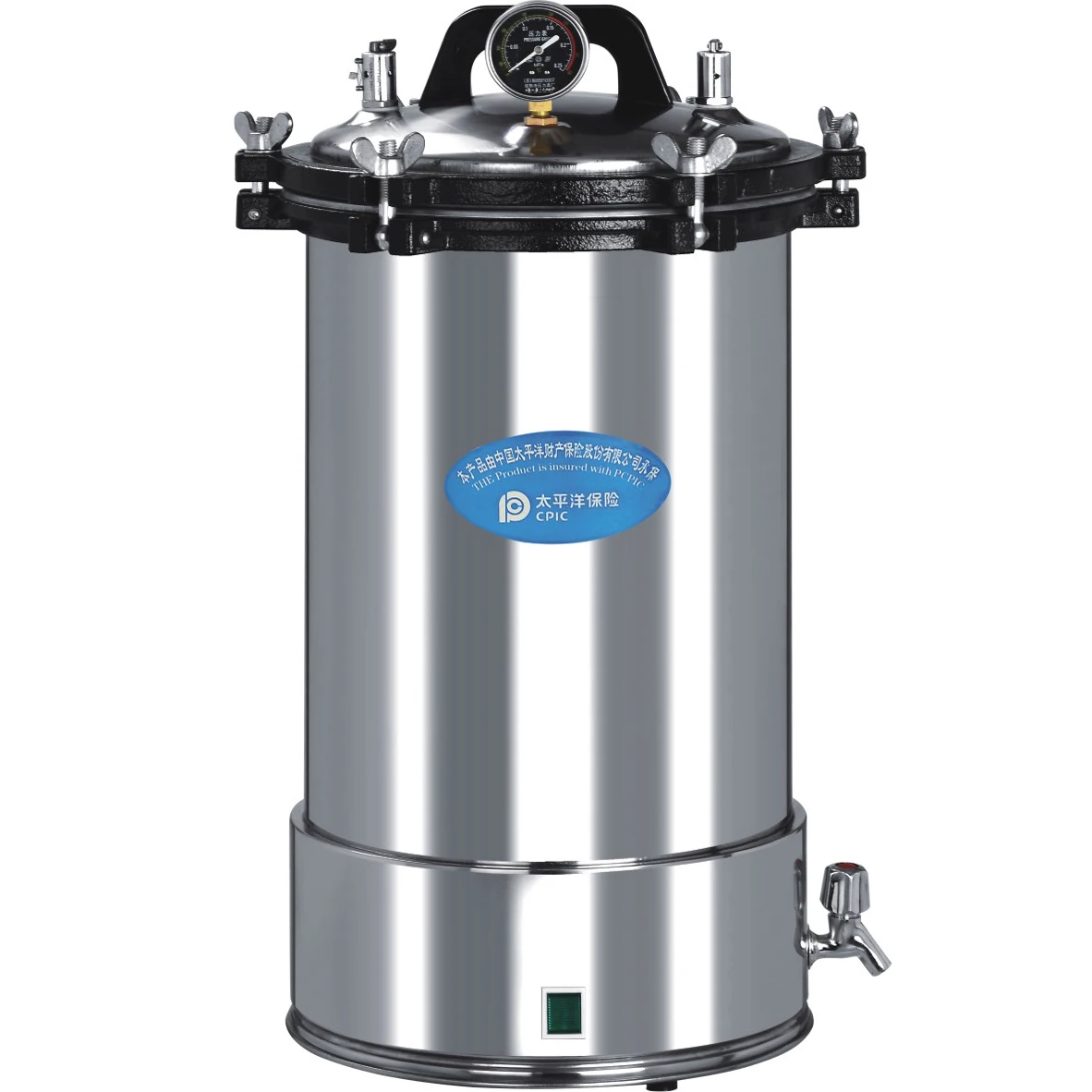
Recent advancements in Class B autoclave technology have propelled the sterilization process to new heights, significantly improving efficiency and effectiveness. These innovations are geared towards meeting the increasing demands of various industries, including healthcare, dental, and laboratory environments. With a focus on reliability and user-friendliness, modern Class B autoclaves are designed to ensure thorough sterilization, thereby safeguarding public health and ensuring compliance with stringent standards.The integration of smart technology within Class B autoclaves is a pivotal development that enhances monitoring and improves sterilization processes.
Smart technology allows for real-time data collection and analysis, enabling operators to oversee the sterilization cycle with unprecedented precision. This technological advancement has transformed the way sterility is ensured, as it provides invaluable insights into the performance of the autoclave. For instance, automated alerts can inform users about potential issues before they escalate, ensuring that preventative measures can be taken swiftly.Modern Class B autoclaves often incorporate automated features and data logging capabilities that distinguish them from traditional models.
The automated features include self-diagnostics, which check for errors and operational performance continuously. This innovation not only reduces the risk of human error but also enhances the overall reliability of the sterilization process. In contrast, traditional Class B autoclaves require manual monitoring, which can introduce variability in the sterilization outcomes. The following key points highlight the critical differences between traditional and modern Class B autoclaves:
- Operational Efficiency: Modern units complete sterilization cycles faster due to optimized cycles tailored for specific loads.
- Data Logging: Advanced models record cycle data, allowing for easy retrieval and review, essential for compliance audits.
- User Interface: Modern autoclaves feature intuitive touchscreens that simplify operation, reducing training time for new users.
- Remote Monitoring: Some models allow for remote access via smartphones or computers, enabling real-time oversight of sterilization processes.
- Enhanced Safety Features: Automatic door locks and pressure monitoring systems enhance operator safety during operation.
These advancements not only streamline the sterilization process but also elevate the standards of safety and compliance, making modern Class B autoclaves indispensable tools in any setting that prioritizes sterility.
Training and Certification for Autoclave Users
In healthcare settings, the operation of Class B autoclaves requires specialized training to ensure the safety and effectiveness of sterilization processes. This essential training equips operators with the knowledge and skills necessary to utilize these advanced sterilizers optimally. Training programs encompass a variety of topics, including equipment functionality, sterilization cycles, and safety protocols. Comprehensive training not only enhances operational efficiency but also reduces the risk of contamination and ensures compliance with regulations.Certification and continuous education play a critical role in maintaining compliance and safety in healthcare environments.
The importance of certification lies in its ability to validate the knowledge and competence of autoclave operators. Certified individuals possess a proven understanding of sterilization principles that are vital for patient safety. Continuous education ensures that operators are up-to-date with the latest advancements in autoclave technology and best practices.The healthcare industry is dynamic, with frequent changes in standards and regulations.
Maintaining certification and engaging in ongoing training helps operators refine their skills, adapt to new technologies, and understand evolving sterilization techniques. This proactive approach not only enhances the quality of patient care but also minimizes the risk of potential liabilities associated with ineffective sterilization practices. Effective training programs typically cover topics such as:
Available Training Programs
Training programs for Class B autoclave users can be found through various reputable organizations. These programs often include hands-on sessions, theoretical knowledge, and assessments to ensure competency. The following organizations offer training and certification for autoclave operation:
- American Society for Healthcare Central Service Professionals (ASHCSP)
- International Association of Healthcare Central Service Materiel Management (IAHCSMM)
- National Association of Power Engineers (NAPE)
- Sterile Processing University (SPU)
- Association for the Advancement of Medical Instrumentation (AAMI)
These organizations provide structured pathways to certification, highlighting the importance of skilled personnel in maintaining high standards of sterilization.
The commitment to proper training and certification in autoclave operation is not just a regulatory necessity; it is a cornerstone of patient safety and quality healthcare delivery.
Environmental Considerations of Autoclave Use
The environmental impact of autoclave sterilization processes is an increasingly important topic as healthcare and laboratory facilities seek to adopt more sustainable practices. Autoclaves, particularly Class B models, are known for their efficiency in sterilizing medical instruments and laboratory equipment using steam. However, they also contribute to energy consumption and waste generation. To minimize their ecological footprint, it is essential to implement strategies that enhance energy efficiency and reduce waste.Minimizing waste and energy consumption when utilizing Class B autoclaves can be achieved through several sustainable practices.
Firstly, regular maintenance of the autoclave ensures optimal performance, which directly affects energy use. A well-maintained autoclave operates more efficiently, thus consuming less power during cycles. Additionally, utilizing a load optimization strategy is vital; run the autoclave only with full loads whenever possible. This practice reduces the number of cycles needed, consequently lowering energy consumption and minimizing water usage.Another effective approach is to implement a monitoring system to track energy usage and identify peak consumption times.
Facilities can adjust their sterilization schedules to off-peak periods, reducing strain on the energy grid. Furthermore, adopting eco-friendly materials and methods alongside autoclave sterilization contributes significantly to environmental sustainability. Using biodegradable packaging materials for sterilization, such as non-toxic, compostable wraps, not only reduces plastic waste but also supports a circular economy.
Importance of Eco-Friendly Materials and Methods
Incorporating eco-friendly materials in conjunction with autoclave sterilization is essential for fostering a sustainable healthcare environment. Eco-friendly materials reduce the chemical load on the environment and promote safer disposal practices. The following points highlight the significance of using eco-friendly materials and methods:
- Reduced Chemical Impact: Utilizing biodegradable sterilization wraps and containers minimizes hazardous waste production.
- Enhanced Safety: Eco-friendly materials often contain fewer toxic substances, ensuring a safer working environment for staff.
- Sustainability: Opting for sustainable materials contributes to a more responsible waste management system.
- Community Health: Reducing the overall environmental impact promotes better health outcomes for the surrounding community.
Implementing these practices not only enhances the sustainability of autoclave operations but also aligns with the growing commitment to environmental stewardship in healthcare. It is essential for facilities to prioritize eco-friendly practices to contribute positively to the environment and public health.

Leave a Comment