

Camera lens 70-200mm f2.8 takes center stage as the go-to choice for photographers seeking versatility and quality in their shots. With its remarkable f2.8 aperture, this lens not only excels in depth of field but also shines in low-light situations, allowing for stunning images that pop. Whether you’re capturing the intimate details of a portrait or the fast-paced action of sports, this lens provides constant apertures throughout its zoom range, ensuring perfect exposure every time.
From professional photographers to enthusiasts, understanding the capabilities of the 70-200mm f2.8 lens enhances your photography experience. This lens stands out among telephoto options, with features that cater specifically to a range of genres including portrait, wildlife, and sports photography. Its image stabilization technology and adaptability to various shooting conditions make it an indispensable tool for any serious photographer.
The Importance of Aperture in a 70-200mm f2.8 Lens
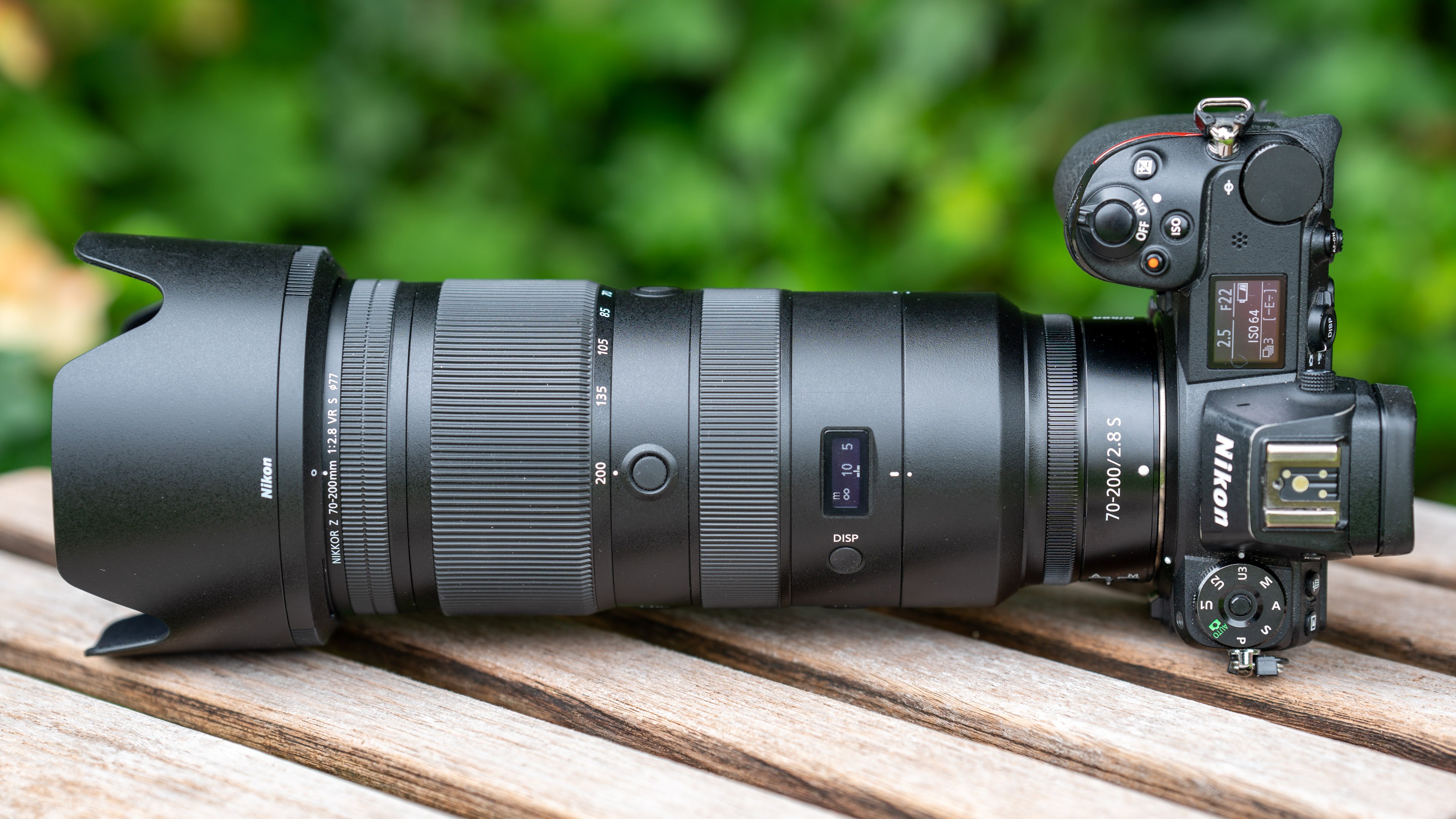
The aperture of a camera lens is a critical factor influencing the quality of images that photographers can capture. Specifically, the 70-200mm f2.8 lens stands out due to its wide maximum aperture of f2.8, which plays a vital role in achieving stunning photographs in various conditions. This lens is designed to cater to both professionals and enthusiasts, making it an indispensable tool in any photographer’s arsenal.The f2.8 aperture significantly impacts both depth of field and low light performance.
A wider aperture allows for a shallower depth of field, enabling photographers to create beautiful background blur, also known as bokeh. This effect helps to isolate subjects, making them stand out in portraits or wildlife photography. In low light situations, the f2.8 aperture excels by allowing more light to hit the sensor, resulting in brighter images without the need for higher ISO settings, which can introduce noise.
Benefits of Constant Aperture Throughout the Zoom Range
The design of the 70-200mm f2.8 lens features a constant aperture, meaning it maintains the f2.8 setting regardless of the zoom level. This consistency provides photographers with greater control over exposure settings and creative options without sacrificing image quality. When shooting in varying lighting conditions or when transitioning between different focal lengths, a constant aperture ensures that the exposure remains consistent.
This is particularly beneficial in scenarios such as:
- Event Photography: Capturing dynamic moments in low light, such as weddings or concerts, can be challenging. With a constant f2.8 aperture, photographers can zoom in or out while keeping their shutter speed and ISO levels stable.
- Sports Photography: Fast-moving subjects require quick adjustments. The ability to maintain the same aperture throughout the zoom range allows for quicker reflexes, ensuring sharp images in action shots.
- Portrait Photography: Maintaining a wide aperture while changing focal lengths helps photographers achieve consistent background blur, enhancing the aesthetic quality of portraits.
“The constant f2.8 aperture turns the 70-200mm lens into a versatile tool for capturing exceptional images, regardless of the environment.”
In conclusion, the f2.8 aperture of the 70-200mm lens is not merely a feature; it is a pivotal element that empowers photographers to explore their creativity while ensuring top-notch performance in various shooting conditions. Whether in low light or seeking to create a mesmerizing depth of field, the f2.8 aperture stands as a hallmark of excellence in photography.
Comparing the 70-200mm f2.8 Lens with Other Telephoto Lenses
The 70-200mm f2.8 lens is a cornerstone of professional photography, offering versatility and unmatched performance. When contrasted with other telephoto lenses such as the 70-300mm or prime lenses, the unique features of the 70-200mm f2.8 lens become evident, helping photographers make informed choices based on their specific needs.The key features of the 70-200mm f2.8 lens that set it apart include its constant f2.8 aperture throughout the zoom range, superior optical quality, and robust build.
These attributes not only enhance image quality but also allow for exceptional low-light performance and depth of field control. In contrast, many 70-300mm lenses typically feature variable apertures, which can limit performance in challenging lighting conditions. Additionally, prime lenses may offer superior quality at a fixed focal length, but they lack the versatility found in a zoom lens like the 70-200mm.
Advantages and Disadvantages of the 70-200mm f2.8 Lens
Understanding the pros and cons of the 70-200mm f2.8 lens compared to alternative options like the 70-300mm lens or prime lenses is essential for photographers seeking the right tool for their craft. The following points Artikel these aspects clearly:
- Advantages:
- Constant f2.8 aperture for consistent exposure and depth of field.
- Exceptional low-light performance, making it ideal for indoor and evening events.
- Superior optical quality with minimal distortion across the zoom range.
- Robust and weather-sealed construction, suitable for professional use in various environments.
- Versatile focal length range, perfect for portraits, sports, and wildlife photography.
- Disadvantages:
- Higher cost compared to 70-300mm lenses, which offer a wider focal range.
- Heavier and bulkier than many other telephoto options, affecting portability.
- Less reach than a 70-300mm lens, which can limit distant subjects.
- Prime lenses may produce sharper images at their specified focal length.
The 70-200mm f2.8 lens excels in various photography styles, particularly in portrait photography where the ability to achieve creamy bokeh and isolate subjects is paramount. Additionally, it shines in sports photography, providing the speed and flexibility needed to capture fast movements without compromising on image quality. The lens is also popular among wildlife photographers, allowing for quick adjustments between subjects at varying distances.
“The 70-200mm f2.8 lens is not just a tool; it’s an extension of the photographer’s vision.”
Whether capturing the intensity of a sporting event or the delicate nuances of a portrait session, the 70-200mm f2.8 lens stands out as a top choice for photographers seeking excellence in their work.
The Versatility of the 70-200mm f2.8 Lens in Different Photography Genres

The 70-200mm f2.8 lens is celebrated for its exceptional versatility across various photography genres. Whether you’re capturing the intimate details of a portrait, the dynamic action of a sporting event, or the majestic beauty of wildlife, this lens adapts effortlessly to meet your creative demands. Its impressive focal length range and wide aperture make it an essential tool for both amateur and professional photographers alike.In portrait photography, the 70-200mm f2.8 lens shines by allowing photographers to create stunning images with beautiful bokeh.
The lens excels in isolating subjects from their backgrounds, providing a flattering perspective that enhances facial features. Utilizing the longer focal lengths, photographers can maintain distance while capturing candid moments, ensuring a natural expression. A common technique is to shoot at f2.8 to create a soft background blur which accentuates the subject, making them stand out. For instance, capturing a model at 150mm allows for a close-up shot that still preserves context, while the background fades into a dreamy haze.
Application in Sports Photography
In the realm of sports photography, the 70-200mm f2.8 lens is invaluable for its ability to freeze fast-moving subjects with clarity and precision. The lens’s fast autofocus and wide aperture ensure that even in low light conditions, photographers can capture exhilarating moments with ease. A popular technique involves panning with the action while using a shutter speed of 1/500s or faster to maintain focus on the subject.
This approach results in sharp images of athletes, while the background portrays a sense of motion. For example, capturing a soccer player in a dramatic goal-scoring moment at 200mm creates an impactful image that conveys emotion and intensity.
Applications in Wildlife Photography
The capabilities of the 70-200mm f2.8 extend seamlessly into wildlife photography, where its reach is particularly beneficial. Photographers can maintain a respectful distance from animals while still achieving striking compositions. The lens’s fast aperture allows for quick adjustments in varying light conditions often encountered in nature. A technique frequently used is to spot a subject through foliage or grass, employing the lens’s focal length to crop tightly around the animal, isolating it from distractions.
For instance, capturing a deer at 200mm from a distance enables a clear, intimate portrait without intruding on the animal’s space.Understanding the importance of focal length in relation to subject distance is crucial across these genres. The 70-200mm f2.8 lens allows photographers to adjust their settings according to the environment and subject matter. For instance, when photographing a portrait, the ideal distance may be around 8-10 feet at 85mm, striking the perfect balance between intimacy and background blur.
In sports, when capturing athletes on a field, distances can vary widely, typically between 30-100 feet depending on the action, utilizing the full range of 200mm for maximum impact. Wildlife photographers often find themselves 50-100 feet away from their subjects, where the lens’s capabilities allow for detailed shots that convey the beauty of nature without disturbing its inhabitants.
Understanding Image Stabilization in 70-200mm f2.8 Lenses: Camera Lens 70-200mm F2.8
Image stabilization (IS) technology has revolutionized the way photographers capture images, especially in challenging shooting conditions. The 70-200mm f2.8 lenses, renowned for their versatility and performance, incorporate advanced image stabilization systems that enhance handheld shooting experiences. This segment explores the intricacies of image stabilization, its benefits, and comparisons across leading brands.The technology behind image stabilization involves compensating for small, unintended movements of the camera while shooting.
This is achieved through a mechanism that shifts the lens elements or the sensor to counteract motion, resulting in sharper images. The benefits for handheld shooting are substantial, particularly in situations where a tripod isn’t feasible. Photographers can achieve clearer images at slower shutter speeds without experiencing significant motion blur.
Comparison of Image Stabilization Effectiveness
Understanding the differences in image stabilization across various brands of 70-200mm f2.8 lenses highlights their unique engineering solutions. The effectiveness of IS can vary significantly, influencing your choice when selecting a lens.Several key factors define the performance of image stabilization in these lenses:
- Canon’s IS System: Notable for its dual-mode stabilization, Canon’s 70-200mm f2.8 lens provides excellent stabilization for both still images and video, making it a favorite among professional videographers. This system allows for effective compensation against both horizontal and vertical movements.
- Nikon’s VR Technology: Nikon’s Vibration Reduction (VR) technology offers a three-stop advantage, allowing for clearer shots even in lower light conditions. Additionally, its unique “active” mode is designed to reduce vibrations during panning shots, which is ideal for wildlife photography.
- Sony’s Optical SteadyShot: Sony’s implementation of Optical SteadyShot is particularly effective for handheld shooting, facilitating a smoother experience while capturing fast-moving subjects. The lens also integrates seamlessly with Sony’s camera bodies for enhanced stability.
- Sigma and Tamron Innovations: Both Sigma and Tamron have introduced their own image stabilization technologies, providing competitive options that can match or exceed the performance of established brands, especially for budget-conscious photographers.
Real-world scenarios where image stabilization significantly enhances image quality include low-light environments, such as indoor events or evening photography, where hand-holding the camera can lead to unwanted blur. Additionally, capturing fast-moving subjects in sports or wildlife photography benefits from image stabilization, allowing for sharper focus despite the motion. The performance of image stabilization can mean the difference between a usable shot and a blurred memory, highlighting its value in a photographer’s toolkit.
“In the world of photography, stability is key for achieving clarity and precision in dynamic environments.”
Choosing the Right 70-200mm f2.8 Lens for Your Camera System
Selecting the perfect 70-200mm f2.8 lens is crucial for photographers looking to achieve outstanding results. This versatile lens range can cater to various shooting styles, making it essential to choose a model that aligns with your specific camera brand and photographic needs. Understanding the compatibility and features of different models will empower you to make an informed decision tailored to your photographic journey.When choosing a 70-200mm f2.8 lens, several factors come into play, including compatibility with your camera system, optical performance, and build quality.
Each manufacturer offers unique specifications and features that can significantly affect your shooting experience. Below are key aspects to consider while exploring the options available in the market.
Camera Compatibility and Brand Considerations
When it comes to selecting a 70-200mm f2.8 lens, compatibility with your camera brand is paramount. Here are important factors to keep in mind:
- Mount Type: Different camera brands use specific lens mounts, such as Canon’s EF mount, Nikon’s F mount, and Sony’s E mount. Ensure that the lens you choose matches your camera’s mount type for optimal performance.
- Autofocus Technology: Some lenses feature advanced autofocus systems tailored to specific camera brands, enhancing focusing speed and accuracy. Check for compatibility with your camera’s autofocus mechanisms.
- Image Stabilization: Various models provide built-in stabilization features that can significantly improve sharpness during handheld shooting. Be aware of the stabilization capabilities offered by different brands.
Specifications and Features of Popular Models
To facilitate your decision-making process, below are popular 70-200mm f2.8 lenses along with their specifications and standout features:
| Lens Model | Camera Brand | Weight | Image Stabilization | Special Features |
|---|---|---|---|---|
| Canon EF 70-200mm f/2.8L IS III USM | Canon | 1480g | Yes | Weather-sealed, fluorine coating |
| Nikon AF-S NIKKOR 70-200mm f/2.8E FL ED VR | Nikon | 1430g | Yes | FL and ED glass elements, silent wave motor |
| Sony FE 70-200mm f/2.8 GM OSS | Sony | 1480g | Yes | Advanced aspherical elements, nano AR coating |
Impact of Lens Construction and Materials
The construction and materials used in a 70-200mm f2.8 lens play a critical role in its performance and durability. High-quality lens elements, such as ED glass and aspherical elements, minimize aberrations, resulting in sharper images. Additionally, a robust build can withstand the rigors of everyday use, ensuring longevity.
“Choosing a lens with a weather-sealed design can protect your investment from dust and moisture, extending its usability in challenging environments.”
Moreover, the weight of the lens can affect handling, especially during long shoots. Lighter models are easier to manage but may compromise on features, while heavier ones often integrate advanced optics and stabilization, making them ideal for professional use.By carefully considering these factors, specifications, and the construction of the lens, photographers can confidently select the right 70-200mm f2.8 lens that complements their camera system and enhances their creative capabilities.
Techniques for Maximizing the Potential of the 70-200mm f2.8 Lens
The 70-200mm f2.8 lens is a powerhouse in the world of photography, offering exceptional versatility and performance. To truly harness its capabilities, understanding key techniques is essential. Whether you are capturing stunning portraits, breathtaking landscapes, or fast-paced action shots, these practical tips will help you elevate your photography game.
Effective Use in Various Lighting Conditions
The 70-200mm f2.8 lens excels in different lighting environments, making it suitable for various occasions. Here are techniques to maximize its potential in varying light:
- Low Light Performance: With its wide f2.8 aperture, this lens shines in dim settings. Utilize a higher ISO setting to maintain a faster shutter speed, reducing motion blur, especially in action shots. For instance, during a concert, increasing the ISO while keeping the aperture wide allows for stunning, crisp photos even in the dark.
- Backlighting Situations: To take advantage of backlighting, position your subject so that the light creates a halo effect. This can enhance the mood of portraits or add drama to outdoor scenes, as exemplified in wedding photography where the subject is framed against a glowing sunset.
- Daylight Shooting: On bright days, employing the lens’s bokeh effect can help isolate subjects against distracting backgrounds. This is ideal for wildlife photography, where a blurred background enhances the subject’s details while keeping focus on the action.
Importance of Composition and Framing
The versatility of the 70-200mm f2.8 lens allows photographers to experiment with composition and framing, which are key to creating visually striking images. Implementing these compositional techniques can lead to impactful photographs:
- Rule of Thirds: Positioning your subject off-center creates a more dynamic image. For example, when photographing a runner in motion, placing them slightly to one side can create a sense of movement within the frame.
- Leading Lines: Utilize natural lines within a scene to draw the viewer’s eye toward your subject. A perfect example is capturing a cyclist on a winding road, where the curves lead the viewer’s gaze through the image.
- Framing Your Subject: Use elements in your environment to frame your subject. This could be branches in a forest or architectural details in urban settings, which can add layers to your composition, as seen in street photography where doorways or windows frame a subject beautifully.
Case Studies of Successful Techniques
Real-life examples illustrate how specific techniques can lead to exceptional photography outcomes. Notable photographers have shared their experiences with the 70-200mm f2.8 lens:
- Wildlife Photography: A renowned wildlife photographer captured a leaping deer at 200mm. By using a fast shutter speed and a low angle, they not only froze the action but also added a unique perspective that emphasized the grace of the animal in its natural habitat.
- Sports Photography: Another photographer successfully documented a soccer match by utilizing the lens’s focal range to isolate players amidst the crowd. By employing a wide aperture and focusing on the subject, they created images that conveyed the intensity of the game, showcasing players in sharp detail against a soft background.
- Portraits in Natural Light: A portrait photographer used the lens for outdoor sessions during golden hour, leveraging the warm light and shallow depth of field to create stunning, luminous portraits. By carefully framing the subjects with the surrounding landscape, they achieved a harmonious balance that enhanced the overall composition.
Maintenance and Care for a 70-200mm f2.8 Lens
Proper maintenance and care of your 70-200mm f2.8 lens are essential for maintaining its performance and ensuring it lasts for years to come. By following best practices for cleaning and upkeep, photographers can avoid common issues and keep their lens in optimal condition. This guide Artikels important maintenance tips, common problems to watch for, and a checklist for regular lens care.
Best Practices for Cleaning and Maintaining the Lens
To keep your 70-200mm f2.8 lens in peak performance, regular cleaning and proper handling are crucial. One of the key aspects of maintenance involves using the right tools and techniques.
Use a blower
To remove dust and debris, start with a blower. This prevents scratches on the lens surface.
Lens cloth
Employ a microfiber cloth for gentle cleaning of the lens glass. Avoid paper towels or rough fabrics which can cause micro-scratches.
Lens cleaning solution
If more stubborn smudges persist, apply a few drops of lens cleaning solution to the cloth, not directly onto the lens. This ensures an even application and prevents liquid seepage into the lens body.
Check for moisture
Always examine the lens after shooting in humid conditions. Moisture can lead to internal mold growth, which is difficult to remove.
Regular cleaning with appropriate tools ensures clarity and optimal image quality.
Common Issues and Prevention
Understanding potential issues that can arise with the 70-200mm f2.8 lens aids in proactive prevention.
Dust and debris
Frequent outdoor shoots can lead to dust entering the lens. Use protective filters and store the lens in a dust-free environment to minimize the risk.
Mold growth
High humidity can encourage mold. Always store your lens in a dry place, and consider using silica gel packets in your camera bag to absorb excess moisture.
Mechanical failure
Regularly check zoom and focus mechanisms for smooth operation. Avoid extreme force as it may lead to mechanical issues.
Preventing moisture and dust accumulation extends the lifespan of the lens significantly.
Regular Lens Care Checklist, Camera lens 70-200mm f2.8
A simple checklist can assist in maintaining the longevity and reliability of your 70-200mm f2.8 lens. Incorporating these tasks into your routine ensures that your lens remains in excellent condition.
Before and after shoots
Inspect the lens for scratches or damage.
Clean the front and rear elements with a blower and microfiber cloth.
Monthly
Wipe down the lens barrel with a soft, dry cloth.
Check for internal dust and arrange for professional cleaning if necessary. –
Seasonally
Conduct a thorough inspection for mechanical functionality.
Store the lens with desiccants if stored in a humid environment.
By adhering to this checklist, photographers can significantly reduce potential issues and extend the lifecycle of their beloved 70-200mm f2.8 lens.

Leave a Comment