

ATM machine dispenser is a pivotal innovation in the banking sector, reshaping how we access cash and conduct transactions. From their inception to today’s advanced models, these machines have undergone remarkable transformation, with improvements in technology and design leading the way. The evolution of electronic banking has revolutionized the role of ATM dispensers, making them indispensable financial tools for millions.
Over the years, ATM dispensers have integrated advanced features, enhancing user experience and security. Today’s machines are equipped with sophisticated software and networking capabilities, facilitating seamless transactions while ensuring safety against fraud. The introduction of mobile banking has further influenced their usage, transforming the interaction between consumers and ATMs, making banking more accessible than ever before.
The historical evolution of the ATM machine dispenser
The Automated Teller Machine (ATM) has transformed the way individuals access their bank accounts and conduct transactions. Originally conceived to streamline banking processes, the ATM has undergone significant advancements since its inception. From mechanical coin dispensers to high-tech digital interfaces, the evolution of ATMs mirrors technological progress across the financial sector. Understanding this transformation provides insight into how these machines have become indispensable tools in modern banking.The first ATM was introduced in 1960 by John Shepherd-Barron, who envisioned a self-service machine that would dispense cash using a check-like voucher.
However, it wasn’t until the 1970s that ATMs began to gain widespread adoption, fueled by the introduction of plastic bank cards. This innovation allowed customers to access their funds conveniently, without the need for bank tellers. In the following decades, the introduction of electronic banking further revolutionized ATM use. With the ability to connect to vast networks, customers could perform a multitude of transactions, including bill payments, fund transfers, and account inquiries, all from a single machine.
The introduction of electronic banking created a seismic shift in user behavior and expectations. ATMs became more than just cash dispensers; they evolved into multifunctional kiosks. The 1980s marked the arrival of networks that linked ATMs across various banks, allowing users to withdraw cash from different financial institutions. In addition, advancements in software technology enabled the integration of user-friendly interfaces, enhancing customer experience.
ATMs began to feature touch screens, enabling intuitive navigation, and offering services such as balance inquiries and mini-statements.
Timeline of significant advancements in ATM technology
The evolution of ATMs is characterized by a series of technological advancements that integrated software improvements, enhancing functionality and security. Below is a timeline highlighting key developments in ATM technology:
- 1960: The first ATM, introduced by John Shepherd-Barron, dispenses cash using paper vouchers.
- 1973: The introduction of the first electronic ATM, allowing for banking transactions over networks.
- 1980: The introduction of the first ATM with a card reader, paving the way for universal banking access.
- 1990: Implementation of graphical user interfaces (GUIs) to enhance user experience and interaction.
- 2000: The launch of internet-enabled ATMs, allowing remote updates and online banking services.
- 2010: Introduction of biometric authentication features, such as fingerprint recognition, enhancing security.
- 2020: The rise of AI-driven ATMs that utilize machine learning for improved user insights and fraud detection.
The advancements in ATM technology reflect a commitment to improving user experience, security, and operational efficiency. As the evolution of ATMs continues, innovations in technology will likely further enhance their capabilities, ensuring they remain a critical component of banking services in an increasingly digital world.
The mechanics of an ATM machine dispenser
An Automated Teller Machine (ATM) dispenser is a marvel of modern technology, designed to efficiently deliver cash to users in a seamless and secure manner. Understanding the mechanics behind this device unveils the sophisticated interplay of components that work together to facilitate transactions at the user’s fingertips. Each element plays a crucial role in ensuring that cash is dispensed accurately and without error, contributing to the overall reliability of ATM services.The cash dispensing process begins when a user interacts with the ATM interface, selecting the amount of cash they wish to withdraw.
This action triggers a series of operations that involve several key components within the machine. The primary components include the card reader, cash dispenser, cash cassettes, and a control unit, each fulfilling a specific function to ensure a smooth transaction.The user starts by inserting their ATM card into the card reader. The card reader verifies the card’s authenticity and reads the magnetic stripe or chip.
Once validated, the user inputs their PIN, which is securely transmitted to the bank’s server for authentication. Upon successful verification, the user selects the desired withdrawal amount.Next, the control unit processes this request by communicating with the cash dispenser. The cash dispenser houses several cash cassettes, each containing a specific denomination of notes. The control unit calculates the breakdown of the requested amount into the available denominations.
For example, if a user requests $100, the machine might dispense one $50 bill, one $20 bill, and one $10 bill, depending on the denominations available in the cassettes.Once the denominations are determined, the control unit sends signals to the cash dispenser to release the specific notes. Each cash cassette has a motor mechanism that moves the selected notes forward, allowing them to be pulled out by the dispensing mechanism, which is typically a pair of rollers.
The notes are then presented to the user through the output slot.In addition to these components, ATM dispensers are equipped with sensors that detect note movement and ensure that the correct amount is dispensed. Should a malfunction occur, such as a jam or incorrect dispensing, these sensors alert the control unit, which can take corrective actions or notify the user.To illustrate the differences in ATM models, the following table compares their mechanical components:
| Component | Standard Model | High-Security Model | Compact Model |
|---|---|---|---|
| Card Reader | Magnetic + Chip reader | Enhanced anti-skimming technology | Magnetic reader only |
| Cash Dispenser | Standard cassette | Dual cassette with independent cash flow | Single cassette |
| Control Unit | Basic microcontroller | Advanced microprocessor with encryption | Basic microcontroller |
| Security Features | Basic lock and alarm | Biometric access + video surveillance | None |
The mechanics of ATM dispensers not only reflect the complexity of their operation but also highlight the importance of technology in ensuring secure and efficient banking transactions. Each component, from initial card reading to the final delivery of cash, plays a vital role in maintaining user confidence and satisfaction.
Security features of ATM machine dispensers
In an era where digital banking and cash withdrawals are integral to financial transactions, the security of ATM machine dispensers stands paramount. Modern ATMs incorporate sophisticated security measures to minimize risks of fraud, ensuring that user credentials and transactions remain protected against unauthorized access. The combination of advanced technologies and robust protocols fortifies these machines, granting users peace of mind when utilizing their services.To combat fraud effectively, contemporary ATM dispensers employ a range of security measures that address vulnerabilities through layered defenses.
These include advanced encryption technologies, secure network connections, and user authentication methods. The deployment of encryption protocols, such as AES (Advanced Encryption Standard), ensures that sensitive data, including PINs and transaction details, remain unintelligible to potential eavesdroppers. Additionally, secure network connections, often utilizing Virtual Private Networks (VPNs) and secure communication protocols like SSL (Secure Socket Layer), protect the integrity of data transmitted between the ATM and the banking network.
Importance of encryption and secure network connections in ATM transactions
The significance of encryption and secure network connections cannot be overstated when it comes to ATM transactions. Encryption plays a critical role in safeguarding information by converting plaintext into coded text, preventing unauthorized entities from accessing sensitive data. This process is vital, particularly in urban areas with higher criminal activities, where skimming devices may be deployed to intercept card data.Secure network connections further amplify this protection.
By ensuring that all data transfers between the ATM and the bank are encrypted and secure, the risk of interception during transmission is drastically reduced. For example, ATMs equipped with end-to-end encryption transmit customer information in a secure format, shielding it from interception. This level of security not only protects customer data but also enhances the overall trust in the banking system.
Methods of user authentication: traditional PINs versus biometric options
User authentication methods are pivotal in preventing unauthorized access to ATM services. Traditional PIN-based authentication remains prevalent; however, it is increasingly complemented by biometric options that offer enhanced security. The conventional four to six-digit PIN system requires users to enter a secret code, which can be vulnerable to shoulder surfing or skimming attacks.In contrast, biometric authentication methods, such as fingerprint scanning and facial recognition, provide a more secure alternative.
Biometric identifiers are unique to each individual, making it nearly impossible for fraudsters to replicate. For instance, ATMs equipped with fingerprint scanners can authenticate users based on their unique biometric data, significantly reducing the risk of fraud. The integration of biometric technology is becoming more mainstream, with some banks already implementing these systems to enhance customer security. The combination of traditional and biometric authentication methods represents a comprehensive approach to security, ensuring that ATM transactions remain safe and reliable for users.
By continually evolving and adopting advanced technologies, ATM dispensers are at the forefront of combating financial fraud and safeguarding user assets.
The impact of mobile banking on ATM machine dispensers
The rise of mobile banking applications has significantly transformed the landscape of financial transactions, particularly affecting how consumers engage with ATM machine dispensers. As mobile banking becomes ubiquitous, it reshapes not only consumer habits but also the operational frameworks of traditional banking systems. The convenience offered by mobile technologies has led to a decline in the frequency of ATM usage, compelling financial institutions to innovate and enhance their ATM services to remain relevant.
As consumers increasingly rely on their mobile devices for banking needs, the interaction model with ATM dispensers has evolved. Mobile banking apps have facilitated real-time transactions, allowing users to perform various banking operations from their smartphones. This surge in mobile banking usage impacts ATM dispensers in several profound ways.
Consumer Reliance on Mobile Devices
The integration of mobile banking services has redefined the expectations consumers have regarding ATM dispensers. With mobile applications, users can check their account balances, transfer funds, and make payments without the need to visit an ATM. This shift has led to a noticeable decline in physical cash withdrawals, as digital transactions gain favor among consumers. The following points highlight the key transformations in consumer interactions with ATM machines:
- Increased Efficiency: Mobile banking allows users to manage their finances on-the-go, reducing the need to visit ATMs for routine transactions. This has led to a decrease in foot traffic at physical locations.
- Enhanced Security: Mobile banking apps often incorporate advanced security features such as biometric authentication and encryption, making users feel safer conducting transactions without relying solely on ATM machines.
- Integrated Services: Many banking apps now offer features that allow users to locate nearby ATMs, check their availability, and even initiate transactions from their mobile devices, providing a seamless integration of online and offline banking experiences.
- Shift Towards Cashless Transactions: As consumers become more comfortable with digital wallets and contactless payment options, the need for cash withdrawals diminishes, altering the overall purpose of ATMs in the banking ecosystem.
The future of ATM technology appears to be closely tied to mobile banking innovations. Financial institutions are increasingly exploring ways to integrate mobile services into ATM functionality. This integration can manifest in various enhancements, including:
- Mobile Authentication: Future ATMs may allow users to authenticate transactions via their mobile devices, which can expedite the cash withdrawal process, reducing wait times and improving user experience.
- Personalized Experiences: Advanced data analytics can enable ATMs to offer personalized services based on users’ preferences, integrating insights gathered from mobile banking behaviors to tailor the interaction.
- Multi-Functional ATMs: Future ATM designs may evolve to include functionalities beyond cash dispensing, such as enabling bill payments, facilitating mobile top-ups, or serving as mini banking hubs that provide a range of services.
- Cloud-Based Interfaces: As more ATMs become cloud-connected, updates and maintenance can be performed remotely, allowing for greater flexibility and responsiveness to consumer needs.
In summary, the impact of mobile banking on ATM dispensers is considerable, fundamentally altering consumer behavior and expectations. As mobile technology continues to advance, ATM machines will likely adapt to maintain their relevance in a rapidly evolving banking landscape. Their future will depend on the seamless integration of mobile banking services, aiming to create a more efficient, secure, and user-friendly banking experience.
The role of ATM dispensers in financial inclusion: Atm Machine Dispenser
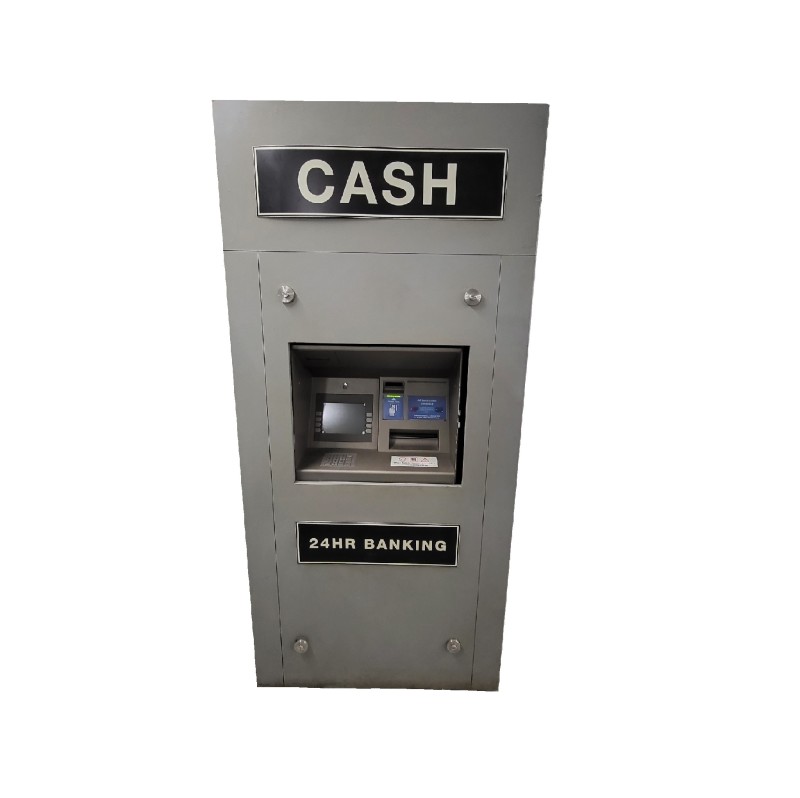
ATM dispensers have revolutionized the way individuals access their finances, particularly in underserved communities. These machines serve as vital lifelines, providing residents with the means to withdraw cash, check account balances, and perform various banking transactions without needing to visit a physical bank branch. Such accessibility is crucial in areas where traditional banking services may be limited or entirely absent.
As a result, ATM machines play a pivotal role in promoting financial inclusion, enabling individuals to participate in the economy more effectively.The correlation between ATM availability and the economic growth of a region is significant. Studies have shown that regions with higher concentrations of ATMs tend to experience increased economic activity. This relationship can be attributed to several factors. First, ATMs facilitate smoother transactions, empowering small businesses and local entrepreneurs to thrive by providing customers with easy access to cash.
Moreover, the presence of ATMs can stimulate consumer spending, as people feel more secure and willing to engage in purchases when they know they can easily access their funds. According to a report by the World Bank, regions with improved access to financial services through ATMs can experience GDP growth rates that exceed those in areas lacking such infrastructure by as much as 1.5% annually.To enhance ATM access, various initiatives have been launched to address the challenges faced by rural and low-income areas.
These initiatives often focus on deploying solar-powered ATMs in remote regions where electricity supply is unreliable. One notable example is the partnership between certain banks and non-governmental organizations (NGOs) that aim to install ATMs in underserved communities to provide essential banking services. Furthermore, mobile banking solutions have emerged, allowing users in rural areas to conduct transactions via their mobile phones while utilizing ATMs as points of cash withdrawal.
These advancements not only improve financial accessibility but also contribute to the overall economic empowerment of individuals in these regions. By bridging the gap between traditional banking services and the unbanked population, ATM dispensers are pivotal in fostering inclusive growth and financial stability.
“Access to ATM services is a critical component of financial inclusion, driving economic growth and empowering communities.”
Future advancements in ATM machine dispensers

The future of ATM machine dispensers promises to be an exciting realm of innovation and user-centric enhancements. As technology rapidly evolves, these machines are set to transform the way people interact with banking services, making transactions more efficient, secure, and user-friendly. With the integration of cutting-edge technologies, we can expect a significant shift in functionality and accessibility, paving the way for a seamless banking experience in the next decade.
Integration of Artificial Intelligence in User Experiences
Artificial intelligence (AI) stands at the forefront of revolutionizing ATM machine dispensers. By harnessing the power of AI, these dispensers will not only automate transactions but also provide a personalized banking experience. Through sophisticated algorithms and machine learning, ATMs can analyze user behavior, preferences, and transaction history to offer tailored services. The implementation of AI can lead to several enhancements, including:
- Personalized Recommendations: AI can suggest financial products, such as loans or savings accounts, based on the user’s spending habits.
- Enhanced Security: AI-driven machines can detect unusual transaction patterns, alerting users to potential fraud and reducing the risk of unauthorized access.
- Proactive Maintenance: Predictive analytics can inform operators about maintenance needs before they become problematic, ensuring machines remain operational and accessible.
- Multilingual Support: AI can provide interactive voice responses in multiple languages, catering to diverse user demographics and enhancing accessibility.
As these advancements unfold, users will find themselves equipped with a more intuitive and engaging ATM experience, fostering greater customer satisfaction and loyalty.
Impact of Blockchain on Transaction Methods, Atm machine dispenser
Blockchain technology is poised to redefine transaction methods at ATM machines, ensuring increased security and transparency. By leveraging distributed ledger technology, ATMs can facilitate transactions that are not only faster but also more secure. The advantages of blockchain integration include:
- Enhanced Security: Blockchain’s decentralized nature reduces risks associated with centralized data storage, making it nearly impossible for hackers to alter transaction records.
- Faster Transactions: Smart contracts can automate transaction approval processes, decreasing wait times for users and streamlining operations.
- Lower Costs: By eliminating intermediaries typically involved in transactions, blockchain can significantly reduce transaction fees, benefitting both consumers and banks.
- Global Accessibility: Cryptocurrency ATMs powered by blockchain can enable users to withdraw or deposit digital assets, making banking services accessible to unbanked populations worldwide.
Incorporating blockchain into ATM dispensers not only enhances the security and efficiency of transactions but also opens the door for innovative financial solutions across various demographics. The synergy of AI and blockchain will define the landscape of future ATM technologies, creating a smarter, safer, and more interactive banking environment for everyone.

Leave a Comment